Voice Search & AI: How SEO Changes When Nobody Types
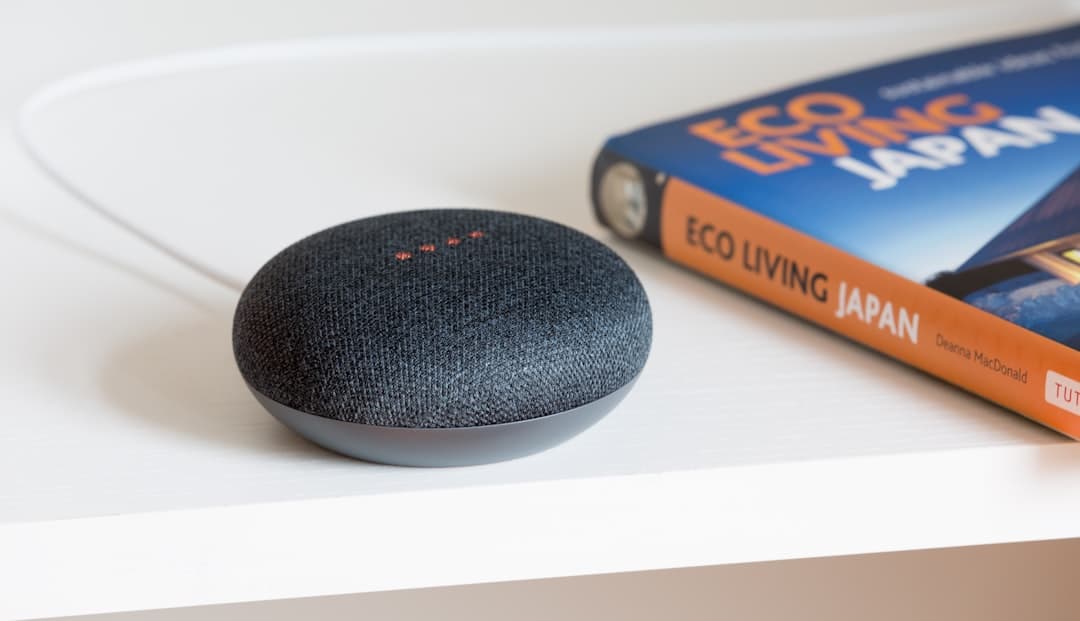
The era of the three-word search query is officially over. Today, users are no longer typing fragmented phrases like "best SEO agency Madrid" into a search bar. Instead, they are speaking naturally to their smartphones, smart speakers, and AI assistants, asking complex questions like: "Hey Siri, where is the nearest web development agency open now that can help me redesign my e-commerce site?" This shift from typing to speaking, accelerated by the rise of Generative Engine Optimization (GEO), is fundamentally changing how search engines index and retrieve information.
For businesses, this transition represents a massive paradigm shift. When users search via voice, they do not browse through pages of blue links; they receive a single, direct answer, often curated by AI models. If your website is not optimized to be that single source of truth, you risk becoming invisible. To stay competitive in this conversational landscape, brands must adapt their digital strategy to align with how people actually speak, not just how they type.
The Anatomy of a Voice Search Query
Voice search queries differ significantly from traditional keyboard searches. Understanding these differences is the first step toward adapting your search engine optimization strategy:
- Longer and more conversational: While a typed search might be "coffee shop Barcelona," a voice search is more likely to be "Where is a quiet coffee shop near me with good Wi-Fi?"
- Phrased as complete questions: Voice queries heavily rely on question words: Who, What, Where, When, Why, and How.
- Highly localized: More than half of voice searches are driven by local intent. Users are looking for immediate, nearby solutions while on the go.
- Action-oriented: People using voice search usually want to do something immediately—whether that is visiting a store, making a phone call, or buying a product.
To capture this traffic, your content must transition from keyword-stuffed paragraphs to natural, dialogue-driven answers. For a deeper dive on balancing optimization with natural readability, read our guide on how to write SEO content that ranks without sounding like a robot.
Actionable Strategies to Optimize for Voice and AI Search
Adapting to this new reality requires technical precision and a deep understanding of user intent. Here are the key areas you need to focus on to ensure your brand remains visible in a screenless search environment.
1. Target Long-Tail Keywords and Question-Based Queries
Traditional keyword research tools often overlook the conversational phrases used in voice search. To find these queries, use tools like AnswerThePublic or look at the "People Also Ask" section on Google.
Create dedicated FAQ sections on your service pages. Structure these sections by asking the exact question your customer would speak aloud, followed by a direct, concise answer of 30 to 40 words. This length is ideal for AI assistants to read aloud as a featured snippet.
2. Implement Robust Schema Markup
Schema markup does not change how your website looks to human visitors, but it acts as a translator for search engine bots. It provides explicit clues about the meaning of your content.
By using Speakable, LocalBusiness, and FAQ schema, you make it incredibly easy for AI engines to crawl, understand, and extract your data for voice search results. If you are looking to dominate local voice queries, implementing structured data is non-negotiable. Learn how to execute this effectively by reading our comprehensive Local SEO Guide: How to Rank Your Business in Your City.
3. Optimize for Local Intent and "Near Me" Queries
Since most voice searches happen on mobile devices while users are traveling, your local digital footprint must be flawless.
- Claim and optimize your Google Business Profile: Ensure your business name, address, phone number (NAP), and operating hours are 100% accurate and consistent across all directories.
- Use conversational local landmarks: Instead of just listing your ZIP code, mention nearby landmarks or neighborhoods in your copy (e.g., "located just three blocks from the Plaza Mayor"). People use these reference points when asking for directions verbally.
- Keep your website fast and mobile-friendly: Voice search users expect instant answers. If your mobile site takes more than two seconds to load, AI assistants will bypass your content in favor of a faster competitor.
The Role of AI Engines: Moving Beyond Google
We are no longer just optimizing for Google's algorithm. Today, AI-powered search engines and assistants like Perplexity, ChatGPT Search, and Apple Intelligence are gaining massive market share. These engines do not just index keywords; they synthesize information from multiple web sources to generate a single, cohesive response.
To be cited by these AI engines as a trusted source, your website must build strong topical authority. This means creating comprehensive, high-quality content hubs that cover a subject from every angle. A strategic internal linking structure is vital here, as it helps AI crawlers navigate your site and understand the relationship between your pages. To optimize your site's structure for these advanced crawlers, explore our insights on Internal Linking: The Hidden SEO Lever You Are Ignoring.
Future-Proof Your Digital Strategy
As voice search and conversational AI continue to mature, the businesses that thrive will be those that prioritize natural language, technical speed, and local relevance. The transition from typing to talking is not a temporary trend; it is the new standard of how humanity interacts with technology.
At Companies Webs, we build high-performance platforms designed for the future of search. From optimizing your technical architecture to crafting conversational content strategies, we ensure your brand stays ahead of the curve. Explore our professional web services to see how we can elevate your online presence, or browse our recent client projects to see our work in action. Ready to adapt your business to the voice-first era? Get in touch with us today and let's discuss your strategy.