Local SEO Guide: How to Rank Your Business in Your City
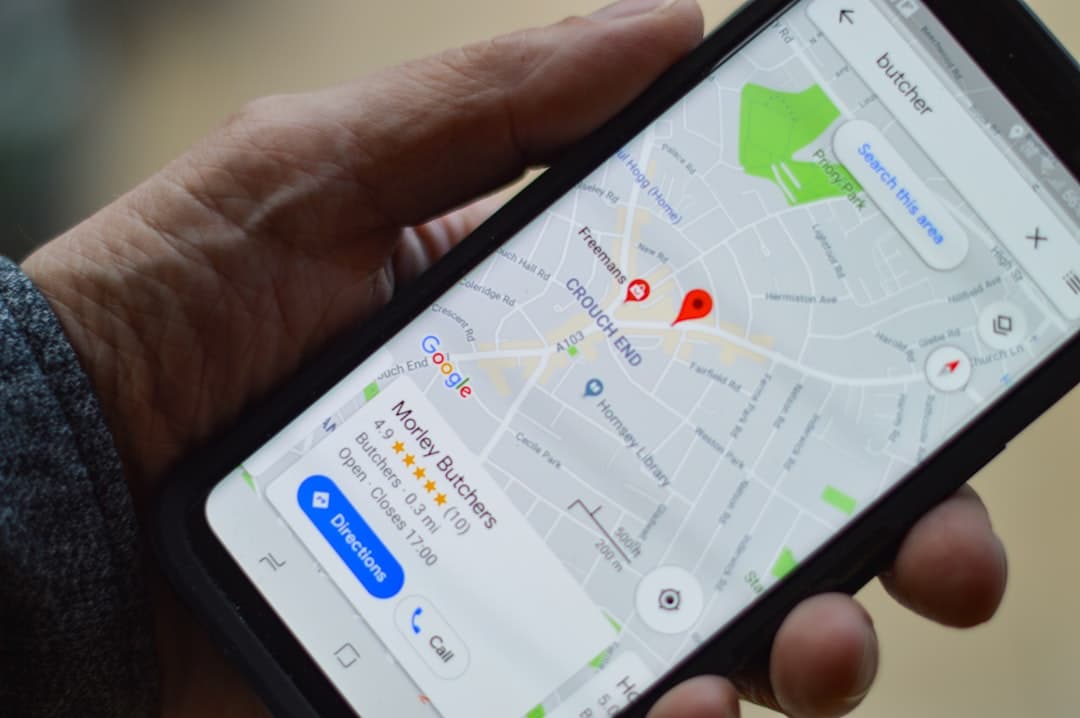
If you run a physical store, a local service company, or a regional branch in Spain, generic SEO is not enough. When users search for "dentist near me" or "web design agency in Madrid," search engines trigger a specific local algorithm. To capture this high-intent traffic, you must optimize your digital footprint specifically for geographic searches.
At Companies Webs, we have helped dozens of local businesses transform their search engine visibility. Local SEO is not about vanity metrics; it is about driving physical foot traffic, phone calls, and localized website conversions. This guide provides a step-by-step roadmap to dominate your city's search results.
Optimizing Your Google Business Profile (GBP)
Your Google Business Profile (formerly Google My Business) is the single most critical asset for local SEO. It is the direct source of data for the Google Local Pack—the map section that appears at the top of local search results.
To optimize your profile for maximum visibility, complete the following actions:
- Claim and Verify Your Listing: Ensure you own the profile and have completed the postcard, phone, or video verification process.
- Use Your Real Business Name: Do not stuff keywords into your business name unless they are part of your legal registration, as Google penalizes this practice.
- Select Precise Categories: Choose a primary category that describes your core business (e.g., "Italian Restaurant") and use secondary categories for specific services.
- Input Consistent NAP Data: Your Name, Address, and Phone number must match your website exactly.
- Write a Detailed Description: Use your 750-character limit to describe your unique value proposition, incorporating your main city and primary services naturally.
The Power of NAP Consistency and Local Citations
Search engines verify the legitimacy of your business by cross-referencing your NAP data across the web. If your address is listed as "Calle Mayor 12" on your website but "C/ Mayor No. 12" on a local directory, search engines may perceive this as a discrepancy, lowering your trust score.
To build a strong citation profile, start by auditing your current presence. Search for your business name and clean up any outdated information. Then, submit your business to authoritative directories such as Yelp, TripAdvisor, Apple Maps, Bing Places, and local Spanish business directories like Páginas Amarillas or QDQ.
When we develop custom digital solutions and services, we ensure that your technical architecture supports clean schema markup, making it easy for search engine crawlers to parse your NAP data instantly.
On-Page SEO for Local Landing Pages
Your website must be structured to rank for geographic queries. If you serve multiple cities, do not try to rank your homepage for all of them. Instead, create dedicated local landing pages for each target city or neighborhood.
Local Keyword Integration
Incorporate your city or region into high-priority on-page elements. For example, if you target "tax advisor in Barcelona," place this keyword in the:
- Title Tag: Keep it under 60 characters (e.g., "Expert Tax Advisor in Barcelona | Company Name").
- H1 Tag: Use it for the main page heading.
- URL Slug: Keep it clean and descriptive (e.g.,
/tax-advisor-barcelona). - Alt Text of Images: Describe your images using local context.
Embed a Google Map and Schema Markup
Embed an interactive Google Map on your contact page to help users find your physical location. Additionally, implement LocalBusiness structured data (Schema markup) in your website's header. This JSON-LD code tells search engines exactly where you are located, your opening hours, and your price range.
Generating and Managing Customer Reviews
Review volume, velocity, and diversity are major ranking factors for the Google Map Pack. A business with a 4.8-star rating from 150 reviews will almost always outrank a competitor with a 5.0-star rating from only 3 reviews.
Develop a systematic process to ask for reviews. Send a follow-up email after a purchase, place a QR code with a direct link at your cash register, or train your staff to ask satisfied clients directly. Always respond to every review—both positive and negative. When responding to negative feedback, remain professional, offer a solution, and avoid defensive language. This signals to potential customers and search engines that you run an active, customer-centric business.
Mobile Optimization and Local UX
Over 70% of local searches on mobile devices result in a call or a physical visit within 24 hours. If your website loads slowly or is difficult to navigate on a smartphone, you are losing immediate business. Ensure your site features click-to-call phone numbers, prominent directions, and an intuitive navigation menu.
We prioritize mobile performance in all our development projects, ensuring fast load times and seamless user journeys that convert local traffic into paying clients.
Dominate Your Local Market with Companies Webs
Local SEO is a continuous process of optimization, monitoring, and adaptation. By aligning your Google Business Profile, maintaining strict NAP consistency, and optimizing your website's technical structure, you can position your business ahead of local competitors.
If you want to accelerate your local growth and scale your digital presence, reach out to our team today. We will build a tailored local SEO strategy designed to drive measurable results for your business.