Custom SaaS vs Website: When Your Business Needs Software
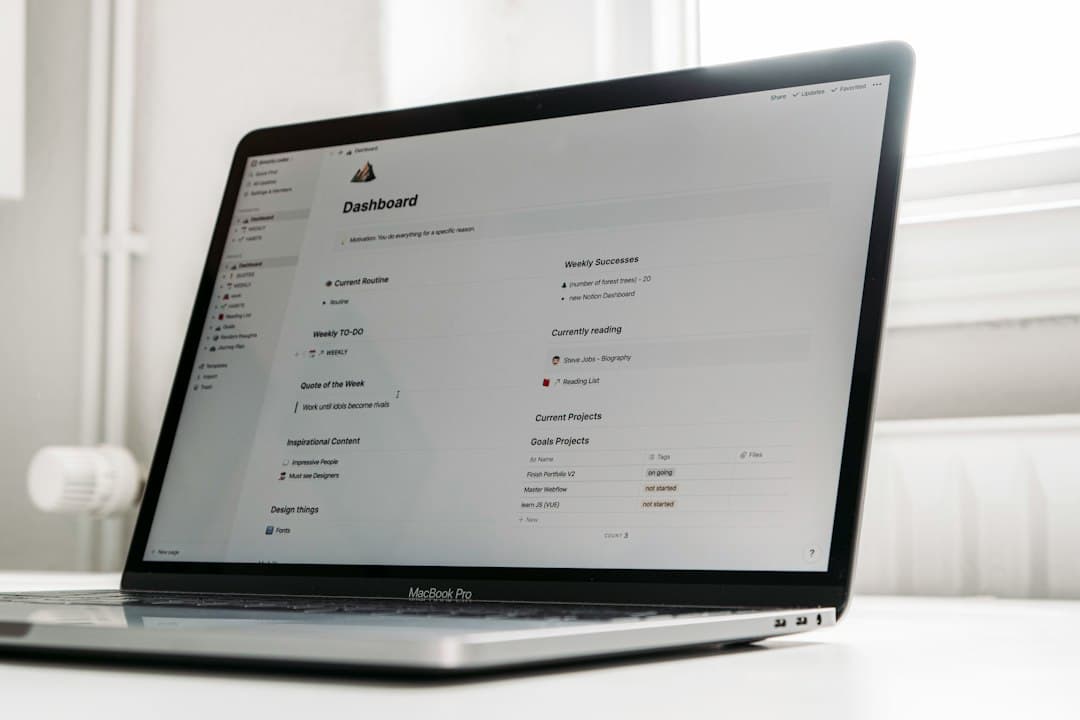
Every business starts with a digital storefront. You build a fast marketing site, list your services, collect inquiries via a standard contact form, and direct clients through off-the-shelf tools like spreadsheets, external CRMs, or third-party booking systems. For many organizations, this setup works reliably for years.
However, there comes an inflection point where your operational complexity breaks standard web architecture. When internal teams spend half their week manually bridging disparate tools, or when your clients demand self-service access to proprietary algorithms and real-time data, a marketing website is no longer enough. You no longer need an online brochure; you need custom Software as a Service (SaaS). Here is how to identify that turning point and evaluate whether building a proprietary platform makes commercial sense.
The Core Difference: Content Distribution vs. Functional Execution
A traditional business website is primarily optimized for content delivery and acquisition. Its technical foundation revolves around pages, assets, lead funnels, and organic search performance. While user experience remains critical—and reviewing our guide to mobile-first responsive design explains why seamless interfaces matter on every screen—the interaction model is inherently one-way: you present information, and visitors consume it.
A custom SaaS platform, by contrast, is transactional and computational. Users log into authenticated environments, manipulate secure databases, execute business logic, trigger automated workflows, and generate custom outputs. A website communicates value; a SaaS product delivers that value programmatically.
5 Signs It Is Time to Build a Custom SaaS
Transitioning from a content-driven presence to custom cloud software represents a significant technical investment. Look for these five concrete indicators within your operations:
- Off-the-shelf software licensing is eroding your margin: Paying per-seat subscriptions across five different third-party SaaS products (e.g., specialized ERPs, scheduling software, custom billing engines) can cost thousands of dollars each month while forcing your team to work around arbitrary product constraints.
- Your core workflow is your primary competitive advantage: If your proprietary consulting framework, diagnostic methodology, or logistics algorithm is forced into rigid platforms like HubSpot or Airtable, you risk leaking intellectual property and compromising efficiency.
- Customer demand for self-service portals: Clients increasingly expect dedicated portals to access real-time analytics, manage ongoing projects, upload sensitive documents, or trigger service requests without sending an email.
- Critical bottlenecks in data synchronization: When your administrative staff spends 15+ hours a week exporting CSV files from one tool to import them into another, human error rates climb and operating costs scale linearly with customer growth.
- Opportunity to monetize existing operational expertise: Many businesses discover that an internal tool created to solve their own operational bottleneck can be packaged and licensed to their broader industry vertical as a recurring subscription product.
Quantifying the ROI: Custom Software vs. Third-Party Stacks
Deciding to build proprietary software should always be grounded in financial metrics, not technological vanity. Consider an industrial consultancy with 40 consultants and 200 recurring clients.
Using patched-together third-party enterprise tools, the firm might spend $3,200 monthly in software licensing fees. More importantly, manual data preparation between systems consumes roughly 25 consultant hours per week. At an internal labor cost of $65 per hour, this operational friction drains over $84,000 annually in lost billable productivity.
Developing a custom SaaS platform requires upfront capital, but it caps subscription inflation, protects operational data, and automates repetitive administrative burdens. Moreover, it turns an ongoing operational expense into a permanent, balance-sheet asset that elevates enterprise valuation.
Architectural Priorities for a Custom SaaS Product
If you determine that your organization requires custom software, you cannot treat development like a standard CMS rollout. Engineering a multi-tenant platform demands strict attention to architectural fundamentals:
Data Isolation and Security Architecture
Your system must guarantee strict role-based access control (RBAC). Whether you implement tenant-level database separation or row-level security within shared databases, zero-trust data protection is mandatory from day one to comply with GDPR and enterprise compliance audits.
Scalable Performance and Interface Efficiency
Unlike static web pages where caching covers up inefficient code, SaaS applications constantly process dynamic database queries and state changes. Maintaining high performance under load is essential; you can study how Core Web Vitals and technical performance metrics influence interface responsiveness to understand why minimizing execution latency keeps users engaged.
API-First Integration
A proprietary SaaS must rarely operate in isolation. Building a robust REST or GraphQL API ensures your new software integrates directly with legacy accounting systems, external payment gateways like Stripe, and specialized third-party data providers.
Practical Steps to Transition from Web to SaaS
Do not attempt to replace your entire operational stack overnight. Follow an incremental roadmap to de-risk investment and validate user adoption:
- Map the core bottleneck: Document the exact user journey that produces the highest friction or manual overhead. Do not design 50 features; isolate the single workflow that yields 80% of current operational pain.
- Develop an internal Minimum Viable Product (MVP): Deploy the first version strictly to your internal staff or a select cohort of trusted pilot clients. Gather telemetry on where users get stuck before writing secondary modules.
- Decouple the frontend from the marketing domain: Maintain your primary marketing website on its established domain to preserve search equity and inbound lead generation, hosting your application on a dedicated subdomain (e.g.,
app.yourcompany.com). - Audit and refine continuously: Measure system adoption, track computational query bottlenecks, and continuously refine user workflows based on real transactional data.
Partner with Companies Webs
Moving from a standard website to a high-performance custom application requires experienced engineering, robust system design, and commercial pragmatism. Explore our specialized custom digital engineering capabilities to see how we architect platforms tailored to complex business models.
Whether you need to automate internal workflows, launch a client-facing portal, or build a scalable subscription product from scratch, our team provides the technical execution you need. Reach out to our engineering specialists today to evaluate your technical scope and schedule a consultation.