High-Converting Product Pages: Structure & Best Practices
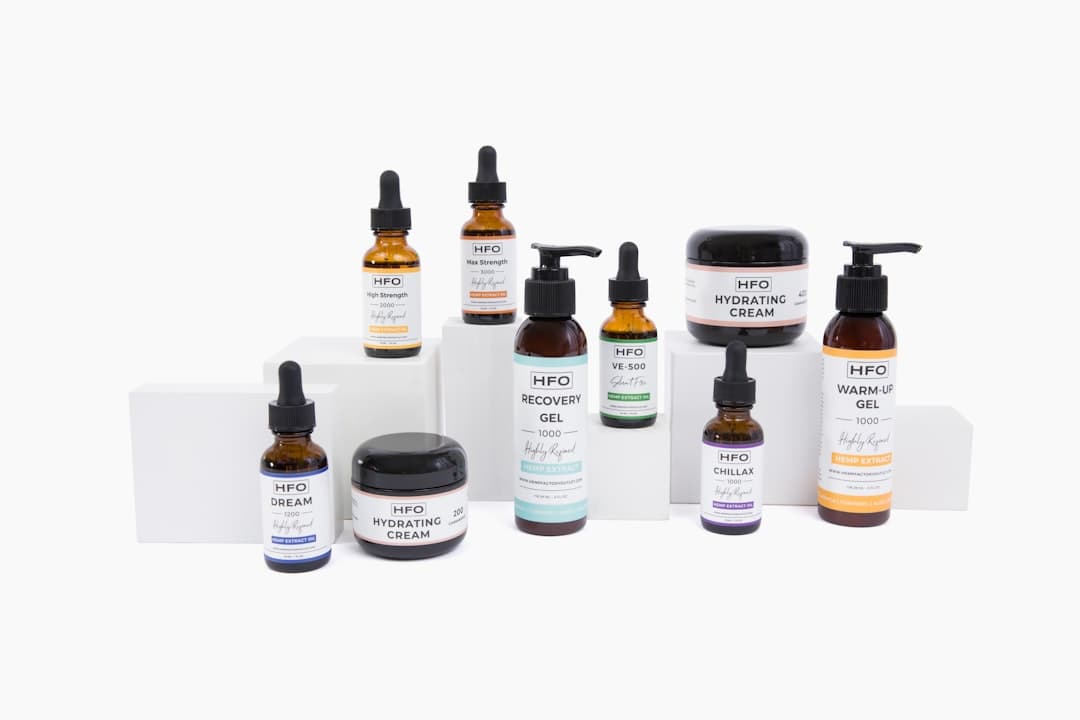
Your product page is the ultimate decision-making point in your e-commerce store. You can spend thousands of euros on SEO, social media ads, and influencer marketing, but if users land on a confusing, slow, or unpersuasive product page, your conversion rate will plummet. A high-converting product page must balance technical optimization, persuasive copywriting, and intuitive user experience (UX) to turn casual browsers into paying customers.
At Companies Webs, we have analyzed hundreds of e-commerce layouts and consumer behaviors. In this article, we break down the exact anatomy of a high-converting product page and share actionable best practices you can implement today to boost your sales.
The Anatomy of a High-Converting Product Page
To maximize sales, your product page needs a logical structure. Users should find the most critical information within the first three seconds of landing on the page, without needing to scroll down. This area is known as "above the fold."
Here is the step-by-step structure that works best for modern e-commerce:
- Clear Breadcrumbs and Navigation: Help users understand where they are and how to go back to broader categories easily.
- High-Quality Visual Gallery: Place this on the left side (for desktop viewports). Include zoom functionality, 360-degree views, and real-life lifestyle images.
- Optimized Product Title and Pricing: Use a clear, descriptive title (H1) and display the price prominently. If there is a discount, show the original price crossed out alongside the savings percentage.
- The "Buy" Box (Add to Cart): This is the most crucial element. Keep it above the fold, use a high-contrast color for the button, and make sure it is touch-friendly on mobile devices.
- Trust Badges and Shipping Info: Place shipping times, return policies, and secure payment icons directly under the "Add to Cart" button to eliminate last-minute purchase anxiety.
Visuals That Drive Decisions
Online shoppers cannot touch, feel, or try on your products. Therefore, your visual assets must do the heavy lifting of building trust and setting accurate expectations.
- Do not rely solely on studio photos: While clean, white-background shots are necessary for showing product details, lifestyle images show the product in action. For example, if you sell backpacks, show someone wearing the backpack to give an immediate sense of scale and utility.
- Optimize image size and format: Slow-loading pages destroy conversions. Use next-gen formats like WebP or AVIF and compress your images without losing quality. If you want to improve your site's performance and load speed, exploring our professional web development services can help you optimize your platform for faster loading times.
- Incorporate short video clips: A 10-to-15 second video demonstrating the product's features can increase conversion rates by up to 80% compared to static images alone.
Copywriting: Sell Benefits, Not Just Features
Many e-commerce owners make the mistake of copying and pasting the manufacturer's technical specifications. This is bad for SEO (due to duplicate content) and terrible for sales.
Your product description should be split into two sections. First, a short, punchy summary (2-3 sentences) next to the images highlighting the primary benefit. Second, a detailed description further down the page for highly analytical buyers.
Instead of writing "Waterproof jacket with Gore-Tex technology," write "Stay 100% dry during heavy mountain storms with our breathable, windproof Gore-Tex technology." Connect every technical feature directly to a real-world benefit for the user. Additionally, ensure your text is formatted with bullet points and bold text to make it easily scannable.
Social Proof and the Power of Reviews
According to industry studies, over 90% of consumers read online reviews before making a purchase. If your product pages do not feature user-generated reviews, you are leaving money on the table.
To make your reviews highly effective:
- Allow photo uploads: Reviews with user-submitted photos carry much higher credibility than text-only reviews.
- Add a search and filter system: Let users filter reviews by rating, keyword (e.g., "size," "durability"), or customer attributes (e.g., height, weight for clothing brands).
- Show a rating summary: Display a visual breakdown of 1 to 5-star ratings near the top of the page, right under the product title.
Technical Best Practices: Mobile First and Speed
More than 70% of e-commerce traffic originates from mobile devices. Your mobile product page cannot simply be a shrunken version of your desktop site; it must be designed specifically for thumbs.
Make sure your "Add to Cart" button remains sticky at the bottom of the screen as the user scrolls down. Ensure input fields (like size selectors or quantity dropdowns) are large enough to tap easily without misclicking.
If you want to see how we tackle mobile responsiveness and intuitive layout designs for growing brands, feel free to browse through our latest digital projects for inspiration.
Cross-Selling and Upselling Done Right
Once a user is on your product page, you have a prime opportunity to increase your Average Order Value (AOV). Implement these two tactics near the bottom of the page:
- Upselling (Frequently Bought Together): Bundle complementary items together. For example, if a user is buying a camera, offer a bundle that includes a memory card and a tripod at a slight discount.
- Cross-selling (You May Also Like): Recommend alternative products in case the current item does not fully meet their needs, preventing them from leaving your site empty-handed.
Ready to Supercharge Your E-commerce Sales?
Creating a high-converting product page requires a strategic blend of psychology, design, speed, and clean code. If your online store is not generating the sales you expect, it might be time for a professional redesign.
At Companies Webs, we design and build bespoke e-commerce solutions tailored to your business goals. Get in touch with us today to discuss your project and start turning your visitors into loyal customers.